Exploring the History of the Order of Mithras
- Founder
- Dec 22, 2025
- 3 min read

The Order of Mithras, a secretive and enigmatic religious group from ancient Rome, has fascinated historians and archaeologists for centuries. This cult, dedicated to the god Mithras, emerged during the 1st century CE and thrived until the 4th century CE, when Christianity began to dominate the religious landscape of the Roman Empire. In this blog post, we will delve into the origins, beliefs, rituals, and eventual decline of the Order of Mithras, shedding light on its significance in the context of Roman society.

Origins of the Order of Mithras
The roots of the Order of Mithras can be traced back to the ancient Persian god Mithra, who was associated with the sun, light, and truth. As the Roman Empire expanded, it absorbed various cultural and religious elements from the regions it conquered. Mithraism emerged as a syncretic religion, blending elements of Persian, Greek, and Roman beliefs.
The Spread of Mithraism
Mithraism gained popularity among Roman soldiers, merchants, and the elite. Its appeal lay in its promise of salvation, the idea of a personal relationship with the divine, and the promise of eternal life. The cult was particularly prevalent in the military, with many soldiers adopting its beliefs during their campaigns across the empire.
Beliefs and Symbolism
At the heart of Mithraism was the worship of Mithras, who was often depicted slaying a bull, a central motif in Mithraic iconography. This act symbolized the triumph of life over death and the renewal of nature. The bull-slaying scene, known as the "tauroctony," was a key ritual in Mithraic ceremonies.
Core Beliefs
Dualism: Mithraism embraced a dualistic worldview, where the forces of good and evil were in constant conflict. Mithras represented the light, while his adversary, Ahriman, embodied darkness.
Initiation: The Order of Mithras had a structured initiation process, with several levels of membership. Each level involved specific rituals and teachings, culminating in the highest rank known as the "Pater" or "Father."
Community and Brotherhood: Mithraism emphasized the importance of community and brotherhood among its members. Followers often gathered in underground temples, known as Mithraea, to participate in communal meals and rituals.
Rituals and Practices
The rituals of the Order of Mithras were shrouded in secrecy, making it difficult for outsiders to fully understand their practices. However, archaeological discoveries have provided valuable insights into their ceremonies.
The Mithraic Temple
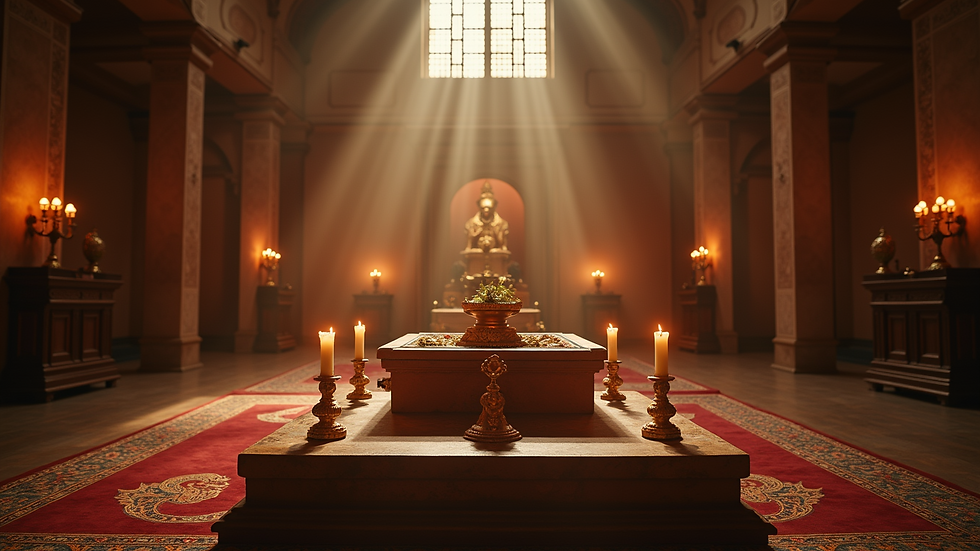
Mithraea were typically located underground or in secluded areas, reflecting the secretive nature of the cult. These temples were adorned with intricate carvings and frescoes depicting scenes from Mithras's life, including the tauroctony. The layout of the temple often included a central altar, where rituals were performed.
The Initiation Ceremony
Initiation into the Order of Mithras was a significant event for new members. The ceremony often involved a symbolic death and rebirth, representing the individual's transformation into a follower of Mithras. This initiation process was marked by various trials and tests, reinforcing the idea of personal sacrifice and commitment to the cult.
The Decline of Mithraism
Despite its popularity, the Order of Mithras began to decline in the 4th century CE, coinciding with the rise of Christianity as the dominant religion in the Roman Empire. Several factors contributed to this decline.
The Rise of Christianity
As Christianity gained acceptance and eventually became the state religion under Emperor Constantine, many pagan practices, including Mithraism, were suppressed. The growing influence of Christian doctrine and the establishment of church authority marginalized the Order of Mithras.
Political Changes
The political landscape of the Roman Empire also played a role in the decline of Mithraism. As the empire faced internal strife and external threats, the focus shifted away from the traditional religious practices that had once united communities.
Legacy of the Order of Mithras
Although the Order of Mithras eventually faded into obscurity, its influence can still be seen in various aspects of modern culture and religion. The themes of dualism, salvation, and the importance of community resonate with many contemporary spiritual movements.
Modern Interpretations
Today, scholars and enthusiasts continue to explore the mysteries of Mithraism. The cult's rich symbolism and rituals have inspired various artistic and literary works, contributing to its enduring legacy.
Conclusion
The Order of Mithras remains a captivating subject of study, offering insights into the complexities of ancient religious practices and the cultural dynamics of the Roman Empire. As we explore the history of this enigmatic cult, we uncover not only the beliefs and rituals of its followers but also the broader societal changes that shaped the ancient world. The story of Mithras serves as a reminder of the ever-evolving nature of faith and the human quest for meaning in a changing world.
By understanding the past, we can better appreciate the diverse tapestry of beliefs that continue to shape our present and future.

Comments